Your Call To Action

School Administrative Tools

School administrators, including principals and district superintendents, play a vital role in developing students’ character and preparing them to become responsible, contributing members of society. Our school administration tools serve as a foundational platform for character education by integrating core values into student management, communication, and discipline processes. By embedding moral, ethical, and social-emotional learning within everyday classroom curriculums such as Student Emotional Self-Regulation, and behavior modification modules, schools can extend character education beyond individual classrooms and promote a consistent, school-wide culture. Our products fulfill that challenge with providing; cost-effective programs that support character development without adding to teachers’ lesson-planning workload.

Anti-Bullying Resources

Our Character education product cultivates, empathy, respect, and responsibility among your students. When integrated into your school curriculums and daily routines, it serves as a proactive strategy to prevent bullying. After teaching students how to safely navigate peer interactions, schools can effectively foster a positive, supportive environment. As a result, your schools can promote a positive, inclusive, and supportive learning environment where all students feel noticed, valued and safe.

Character Education Resources

Our Character Education curriculum integrates social-emotional learning, moral development, and civic responsibility into daily instruction. Through intentional character-building experiences, students develop essential life skills such as empathy, respect, emotional regulation, and responsible decision-making. These skills foster a positive school culture, strengthen relationships, and help prevent bullying by promoting kindness, accountability, and mutual respect.
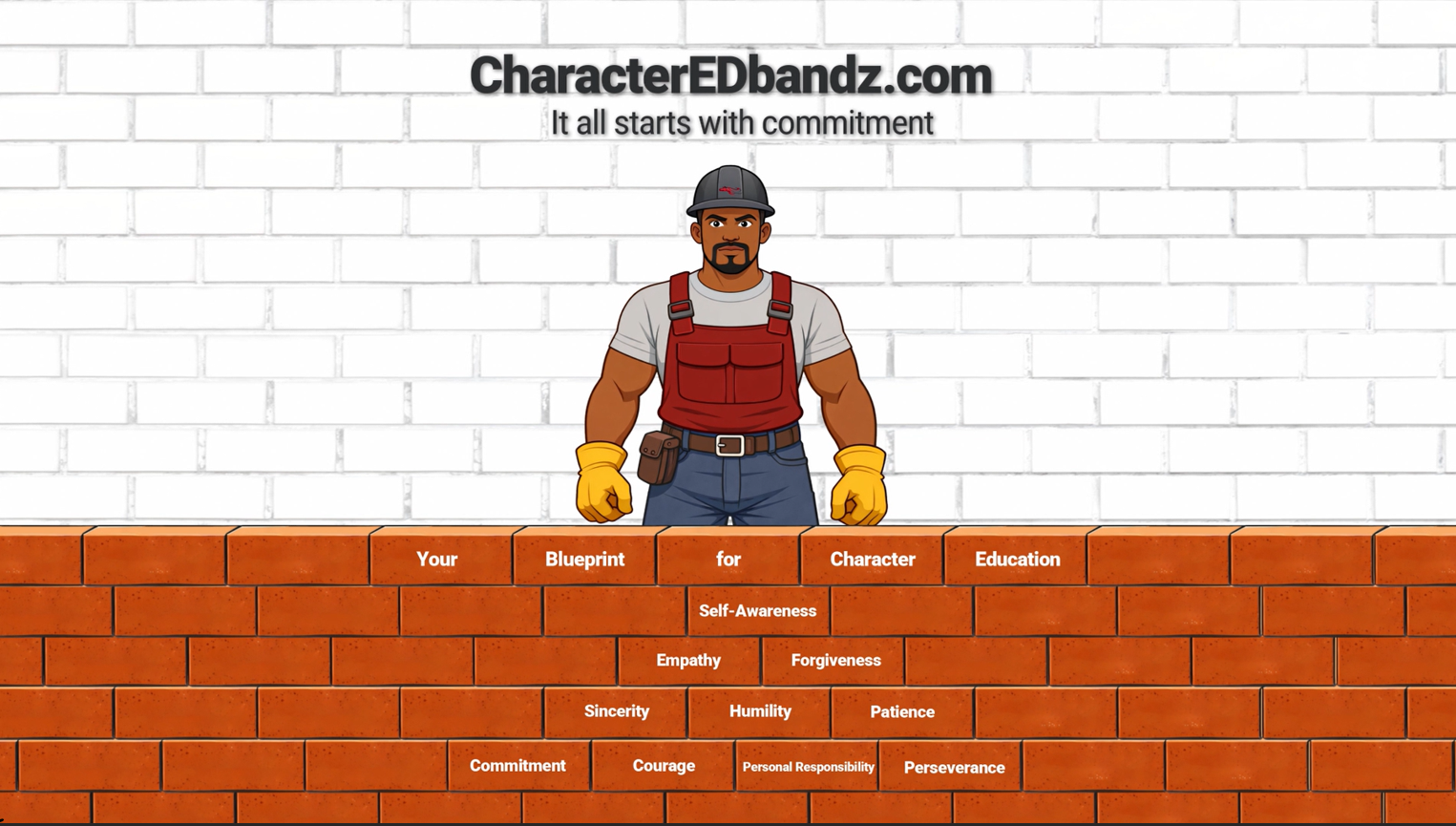
At the heart of our program is a Character-Building Pyramid that guides students on a journey toward self-awareness. Each level builds upon the previous one, reinforcing the understanding that strong character is developed through consistent practice and personal growth.

Our ten Character-Building Traits are:

  1. Commitment
  2. Courage
  3. Personal Responsibility
  4. Perseverance
  5. Sincerity
  6. Humility
  7. Patience
  8. Empathy
  9. Forgiveness
  10. Self-Awareness
As students’ progress through these interconnected traits, they gain the confidence, resilience, and emotional intelligence needed to become compassionate leaders, responsible citizens, and lifelong learners. The culmination of this journey is self-awareness—the ability to understand one’s thoughts, emotions, values, and actions, and to use that understanding to make positive choices that benefit both themselves and their communities

Classroom Management

Classroom management through character education involves shaping classroom culture and students’ behavior by promoting empathy, positive reinforcement, and collaboratively established classroom norms. Rather than relying on punishment for misbehavior, teachers model core values such as respect, responsibility, honesty, and kindness while encouraging students to take an active role in creating a positive learning environment. This approach shifts discipline from being a means of control to an opportunity for developing students’ social-emotional skills, moral character, and sense of responsibility. This approach helps children understand the impact of their actions, build strong relationships, and develop the social and emotional skills they need to succeed both in school and in life.

Conflict Resolution Center
Conflict resolution through character education transforms everyday disagreements into meaningful opportunities for developing empathy, respect, and responsibility. By learning to regulate emotions, practice active listening, and seek mutually beneficial solutions, individuals apply virtues such as patience, justice, and compassion in real situations rather than simply memorizing their definitions. Our process can also train student peer mediators, giving children the chance to support their classmates and contribute to a caring school community. Effective peer mediation training, empowers students to take an active role in supporting a positive school culture. Involving peer mediators sends a powerful message that students share responsibility for creating respectful, inclusive, and cooperative communities.

Emotional Identification Puzzles

These products are designed to nurture both interpersonal and intrapersonal intelligence—essential elements of emotional intelligence.
Interpersonal intelligence is the ability to understand, communicate, and build meaningful connections with others. Intrapersonal intelligence is the ability to develop deep self-awareness by recognizing and understanding one’s own thoughts, emotions, motivations, and personal experiences.
Through engaging in our puzzle-based activities, these products create a mindful emotional pause while encouraging self-reflection, focus, and self-expression. The hands-on, kinesthetic process provides a calming and therapeutic outlet, helping users experience emotional release while strengthening self-awareness and social understanding. All the while your students are given an opportunity to slow down, focus, and engage in meaningful self-cognitive dialog.

Moral Dilemmas

Character education through moral dilemmas helps students develop stronger moral reasoning and ethical decision-making skills. By exploring relatable, age-appropriate situations, students learn to recognize that many choices involve competing values. They practice looking at situations from different perspectives, understanding their own thoughts and feelings, considering the impact of their choices, and thinking carefully before they act.

Our products are not about telling children what to think or giving them “right” answers. Instead, they help children develop the ability to think through choices, understand how their decisions can affect themselves and others, and see how everyday actions can shape the kind of person they want to become and the life goals they hope to achieve.

You Can Quote Me on Than

“You Can Quote Me on That” transforms timeless, historically significant character education quotes into engaging short films designed for today’s learners.

Created especially with visual learners in mind, each film brings meaningful words and ideas to life by connecting historical wisdom with practical lessons students can apply in their everyday lives. Through storytelling, relatable scenarios, and entertaining visuals, the series helps students understand the deeper meaning behind powerful quotes and the values they represent. Our products goals are to make character education memorable by turning quotes into visual experiences—helping students see, understand, and live the lessons behind the words.

Social Emotional self-Regulation

Emotional self-regulation is the ability to manage and moderate your emotional impulses, thoughts, and emotional responses to align with your goals and values. Emotional regulation is a trainable skill that prevents impulsive reactions; such as yelling fighting or withdrawing. Developing emotional self-regulation at its core, emotional self-regulation is about emotional awareness and control. It begins with recognizing emotional triggers and understanding the physiological and psychological responses they ignite. Our products support this journey by providing tools that create the necessary space for calm reflection, encouraging adaptive responses instead of reactive ones. They create opportunities for students to better understand emotions, strengthen communication, and develop more positive responses during challenging moments.

Therapeutic Time Out Center

Our therapeutic time-outs are designed around teachable moments that promote growth, reflection, and emotional development. Through specialized youth-centered community emotional health strategies, our programs integrate therapeutic time-outs with character education to help students strengthen emotional regulation, develop self-awareness, and build positive social skills.
Rather than focusing on punishment for challenging behaviors, our center examines the circumstances and emotional needs that contribute to each situation. By addressing the underlying causes of outbursts, we help students develop effective coping strategies, problem-solving skills, and self-regulation techniques. These skills empower students to manage challenges more successfully and reduce patterns of repeated behavioral difficulties. Our therapeutic time-out approach empowers students by strengthening emotional intelligence, fostering self-awareness, and equipping them with practical strategies to manage emotions, build healthier relationships, and navigate conflicting challenges with confidence and resilience.